Eco removals in Paddington: recycling mattresses & wood
If you are clearing out a flat near Paddington station, emptying a family home, or dealing with old furniture after a move, the waste can pile up fast. Mattresses are awkward, wood is bulky, and neither should be treated like random rubbish. That is where Eco removals in Paddington: recycling mattresses & wood becomes genuinely useful. It is a smarter, cleaner way to move unwanted items on, with recycling and reuse built into the process rather than added as an afterthought.
In practice, that means separating materials, checking what can be reused, and sending the right items to the right place. It also means avoiding the usual chaos: a half-finished hallway, a lift that is already booked, and a pile of MDF, bed slats, and a mattress that has seen better days. Let's face it, no one wants to spend a Saturday morning wrestling a king-size mattress down two flights of stairs.
This guide explains how eco removals work in Paddington, why recycling mattresses and wood matters, what to expect on the day, and how to avoid the common mistakes that can make disposal slower, messier, or more expensive than it needs to be.
Why Eco removals in Paddington: recycling mattresses & wood Matters
Paddington is a busy part of West London, with a mix of mansion blocks, converted buildings, mews houses, offices, and short-let properties. That variety creates a simple problem: not every item leaves a property in the same way. A dismantled wardrobe, a broken bed frame, and a worn mattress each need different handling. Eco removals help make sense of that mix by sorting items so more of them can be recovered properly.
Mattresses are especially important. They are large, difficult to carry, and made up of several materials at once: foam, fabric, springs, and sometimes timber or latex components. Wood is another one that looks simple from the outside but is actually varied in practice. Solid pine, chipboard, MDF, painted furniture, and treated timber all need different treatment depending on condition and recycling route. Not ideal for a casual throw-it-all-in-the-van approach.
When people search for eco removals, they are usually trying to solve more than one problem at once:
- they want old items removed without landfill-heavy disposal
- they need the job done quickly, often around a move
- they want to avoid damaging communal areas, lifts, or stairwells
- they prefer a service that understands recycling, not just transport
That is also why local removal support matters. In Paddington, access is often tight, parking can be awkward, and timings can be sensitive. A well-planned collection is not just greener; it is usually calmer too.
If your clear-out is part of a bigger move, services like home moves and man with van support can help reduce the number of separate trips, which is often better for both cost and emissions. For bulkier household furniture, a focused furniture pick up can be a practical fit.
How Eco removals in Paddington: recycling mattresses & wood Works
The process is usually more straightforward than people expect, but there is a bit of method behind it. The goal is to keep usable items in circulation where possible and send recyclable components to the appropriate stream. It is not magic. It is just careful sorting, good handling, and knowing what belongs where.
1) Initial assessment
The first step is usually a quick review of what needs to go. A mattress in decent condition may be considered differently from one that is heavily damaged or contaminated. Likewise, a solid wood table has a different value and recovery path from a laminate cabinet with damaged edges and mixed materials.
This stage matters because it helps decide whether items should be reused, dismantled, or sent for recycling. A short conversation upfront can save a lot of back-and-forth later, and frankly it saves everyone a headache.
2) Safe collection and loading
Collection in Paddington often needs a bit of coordination. Narrow hallways, basement storage, shared entrances, and controlled parking can all slow things down. Good removal teams protect walls, corners, and floors while moving larger items out. That is not just about being tidy; it reduces the chance of damage claims and keeps the job moving.
For heavier or mixed-load jobs, support from a vehicle-focused service such as moving truck or removal truck hire can make collection safer and more efficient, especially if multiple bulky items are involved.
3) Sorting for recycling or reuse
Once loaded, the items should be separated for the right route. Mattresses may be broken down into recoverable components. Wood may be sorted by type and condition. Clean, reusable timber can sometimes be diverted for another use, while damaged or treated wood may be routed for recycling or responsible disposal.
The main thing is this: eco removals are not just about moving waste away. They are about avoiding unnecessary disposal of items that still have a material value.
4) Responsible disposal route
Some items will still need final disposal, especially if they are contaminated, mouldy, or damaged beyond recovery. A reputable process should not blur the line between recycling and disposal. When wood is treated, painted, or bonded with other materials, it may not be suitable for the same recycling route as clean untreated timber. A mattress that has lost structural integrity or has hygiene issues may similarly be unsuitable for reuse.
If you are also clearing appliances or anything that should not be mixed with ordinary furniture waste, it is worth checking related services such as fridge and appliance removal or, where needed, hazardous waste disposal.
Key Benefits and Practical Advantages
Eco removals are often described in environmental terms, but the benefits are very practical day to day. People in Paddington usually notice them fastest when they are short on space, short on time, or dealing with a building that has strict access rules.
- Less landfill reliance: More material is kept in recycling or reuse pathways.
- Cleaner clear-outs: Items are sorted instead of being dumped into one mixed pile.
- Better handling of bulky waste: Mattresses and wood are physically awkward; a structured removal saves effort.
- Lower stress during a move: One coordinated collection is easier than several separate trips.
- Improved compliance confidence: You are less likely to wonder where everything ended up.
There is also a quiet benefit that people underestimate: better use of space. A single mattress can make a spare room feel smaller, but a stack of flatpack wood, broken shelves, and an old bed frame can make a home feel like a storage unit. Getting it gone quickly changes the feel of the place almost immediately. You notice the floor again. Funny how that works.
For business customers, the advantages can be even clearer. Offices, serviced apartments, landlords, and property managers often need an efficient route for disused wooden furniture and mattress replacements after refurbishments or tenancy changeovers. In those cases, it can make sense to coordinate the removal with commercial moves or office relocation services if the job is part of a wider clear-out.
Who This Is For and When It Makes Sense
Eco removals in Paddington are a good fit for more people than you might think. They are not only for large house moves or full refurbishments. In fact, many of the best use cases are small, slightly annoying jobs that still need doing properly.
Typical situations include:
- moving out of a flat and replacing old furniture
- clearing a guest room, spare room, or storage room
- disposing of mattresses after tenant turnover
- removing broken shelving, wardrobes, or tables made of wood
- emptying furniture after a renovation
- handling office furniture with wood components
- sorting mixed household waste before a home move
It also makes sense if you are trying to avoid a mismatch between the size of the job and the method used. A small local collection is rarely best served by overcomplicating things, but equally, a heavy multi-item clear-out should not be handled like a single-bin job. The sweet spot is a service that can scale to the load without making the process feel clunky.
If you are a landlord or letting agent, eco removals can help with turnaround times between tenancies. If you are a resident, they can help before or after a move, especially if you are using packing and unpacking services and want the old bulky items removed as part of the same visit.
Step-by-Step Guidance
If you want the process to go smoothly, a little preparation goes a long way. Here is a sensible way to approach it.
- Identify every item that needs to go. Include bed bases, mattress toppers, wooden drawers, shelves, desks, and broken furniture pieces. People often forget the small bits, which is how extra waste piles up in a corner.
- Separate wood from other materials where possible. Keep loose metal brackets, cushions, textiles, and electrical items apart so sorting is easier.
- Check condition honestly. If a mattress is stained, wet, mouldy, or structurally damaged, say so. If wood is painted or treated, mention that too.
- Measure access points. Stair width, lift size, parking distance, and narrow corridors all affect the collection plan.
- Book the right vehicle and help. A small load may be fine with a flexible local service, but bulkier jobs may need extra vehicle capacity or labour support.
- Prepare the route out of the property. Move smaller obstacles, keep lifts free where possible, and make sure pets and children are out of the way.
- Ask how items will be sorted. You do not need a lecture, just a clear explanation of what will be recycled, reused, or disposed of responsibly.
- Keep paperwork and confirmations. For landlords, agents, and businesses, this can help show the job was handled in a sensible, traceable way.
That is the basic flow. It sounds simple because, done properly, it should be simple.
Expert Tips for Better Results
After enough removals, a few patterns become obvious. The smoothest jobs are rarely the ones with the fewest items. They are the ones where the customer has made a handful of small decisions early.
- Disassemble what you safely can. Flat-pack furniture often moves better in smaller sections. Just keep fixings in a labelled bag.
- Keep mattresses dry. If it has been stored in a damp area, mention it before collection. Moisture changes how it should be handled.
- Group similar items together. It makes loading and sorting faster, especially where time on site is limited.
- Avoid mixing clean wood with wet waste. Once timber gets contaminated, recycling options can narrow.
- Tell the team about access quirks. Hidden steps, locked gates, tight loading bays, and concierge procedures all matter more than people expect.
One thing that helps in real life: keep a tiny "don't forget" pile by the door the day before collection. Keys, screws, side panels, mattress tags, cable clips, whatever. That little habit saves endless circling.
If your clear-out overlaps with wider house or office logistics, it can be useful to combine it with house removalists or man and van support so the disposal and moving parts do not work against each other.
Common Mistakes to Avoid
Most problems with mattress and wood recycling are avoidable. The trouble is that they usually seem minor until collection day. Then, suddenly, they are not minor at all.
- Leaving sorting until the last minute. A mixed pile slows everything down.
- Assuming all wood is recyclable in the same way. Solid timber, engineered board, painted pieces, and treated items are not identical.
- Forgetting about contamination. Mould, liquid damage, pests, and heavy dirt can change the handling route for mattresses and wood.
- Not checking access. A job can go from straightforward to awkward very quickly if parking or lift access is not planned.
- Trying to force oversized items through tight spaces. This is how walls get scuffed and backs get strained. Not worth it.
- Choosing a disposal method that does not match the waste type. Mixing furniture, appliances, and restricted waste can create extra cost and delays.
Truth be told, the biggest mistake is often assuming all removal services do the same thing. They do not. Some focus on transport only. Others build in sorting and recycling. That difference matters if your goal is to keep the job eco-conscious from the start.
Tools, Resources and Recommendations
You do not need a van load of specialist equipment to prepare for eco removals, but a few simple tools make things easier.
| Tool or item | Why it helps | Best use |
|---|---|---|
| Workbench knife or screwdriver set | Useful for breaking down simple furniture safely | Taking apart bed frames or shelves |
| Strong tape and labels | Keeps fixings, bolts, and small parts together | Flat-pack furniture dismantling |
| Protective gloves | Helps with splinters, staples, and rough timber edges | Handling old wood and mattress bases |
| Blankets or floor covers | Protects hallways and stair edges during carry-out | Shared entrances and tight stairwells |
| Marker pen and bags | Makes sorting screws and fittings much simpler | Before collection day |
For recommendations, the most practical one is also the least glamorous: book with a provider that clearly understands recycling and sustainability rather than just same-day collection. You can review the company's approach through recycling and sustainability and check practical booking details at pricing and quotes.
If you are still planning the move itself, the main site also has useful pages for man with van, moving truck, and book online options, which can help you line up the disposal with the rest of the day.
Law, Compliance, Standards, or Best Practice
This is the area where careful wording matters. Disposal and recycling practices can be affected by waste type, contamination, and local handling expectations, so it is wise to treat each load with care rather than guess. You do not need to become a compliance expert, but you do want confidence that items are being handled responsibly.
As a general rule, best practice includes:
- sorting waste into sensible material groups
- avoiding mixing recyclable timber with contaminated items
- keeping mattresses separate from general household rubbish where possible
- using a removal process that can explain where different waste streams go
- staying cautious with items that may contain hazardous components or contamination
For example, a damp mattress from storage should not be treated the same way as a clean replacement mattress. Likewise, painted or treated wood should not be lumped in with clean reclaimed timber. The difference sounds small. In practice, it can affect the route entirely.
Commercial clients often need a little extra diligence, especially where furniture is being removed from offices, short-term lets, or managed buildings. In those cases, clear coordination, safe loading, and responsible waste handling should be part of the normal service, not an optional extra. If your job sits within a larger premises change, commercial moves and office relocation services can help keep the work organised.
It is also sensible to ask how the provider handles safety, access, and vehicle loading. Pages such as health and safety policy and insurance and safety can give you a better picture of how seriously those basics are taken.
Options, Methods, or Comparison Table
There are a few common ways people deal with mattresses and wood in Paddington. The right choice depends on how much you have, how quickly it needs to go, and whether your priority is convenience, cost, or recycling.
| Method | Best for | Pros | Limitations |
|---|---|---|---|
| DIY disposal | Very small loads and people with transport access | Can seem cheaper at first | Time-consuming, physically hard, and easy to get wrong |
| Mixed general waste collection | Simple, non-bulky rubbish | Convenient for small items | Poor fit for mattresses and large wood pieces |
| Eco removal service | Bulky items, mixed furniture, move-related clear-outs | Better sorting, less hassle, more practical for bulk items | Needs clear communication about item type and access |
| Dedicated furniture pickup | Old beds, wardrobes, tables, and timber furniture | Good for large, awkward items | May not suit contaminated or highly mixed waste |
For most Paddington households, an eco-focused removal is the easiest balance. It handles the physical side of the job and the sorting side too, which is the bit people often underestimate. If you are clearing a whole room, it also pairs well with mattress and sofa disposal when soft furnishings are part of the same project.
Case Study or Real-World Example
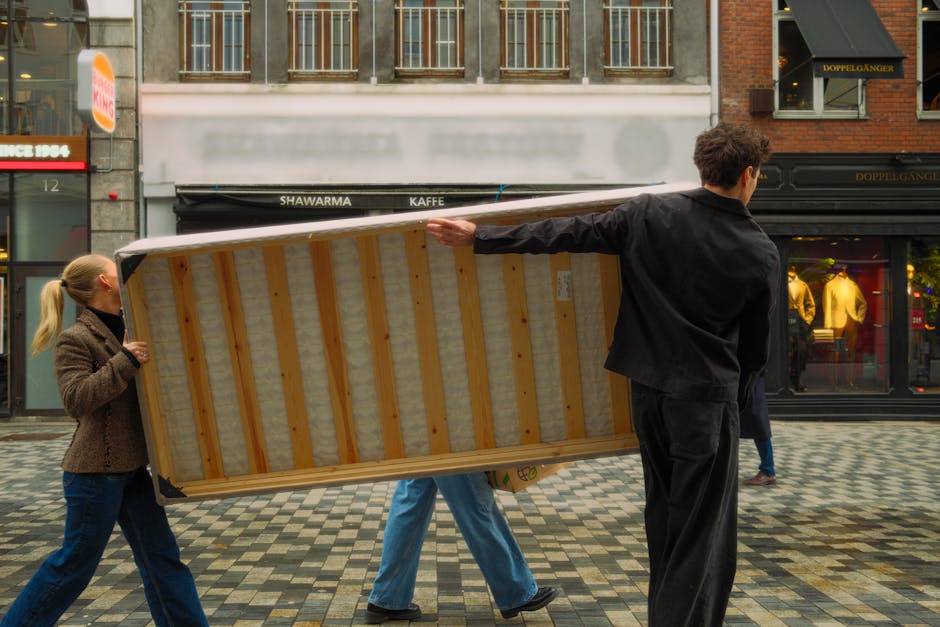
A typical Paddington scenario goes like this. A tenant is moving out of a first-floor flat in a converted building. There is a double mattress that has reached the end of its life, a dismantled oak-effect bed frame, two MDF drawers with loose backs, and a stack of timber shelving from a home office. Nothing dramatic. Just a lot of awkward stuff in one place.
The useful part is not the volume. It is the mix. The mattress needs careful handling because it is bulky and has fabric and spring components. The MDF drawers are not the same as the solid timber pieces, and the shelves may need sorting depending on finish and condition. The removal team checks access, protects the hallway, and removes everything in one visit. The timber items are separated from the mattress materials, and the load is handled in a way that supports recycling where possible.
The tenant benefits because the property is left clear for handover. The landlord benefits because the space is ready for cleaning sooner. And the waste has not simply been bundled together and forgotten. It sounds ordinary, but that is really the point. Good eco removals are quiet, practical, and a bit boring in the best possible way.
Practical Checklist
Use this quick checklist before your eco removal booking.
- List every mattress, bed frame, and wooden item that needs removing
- Check whether the wood is solid, painted, treated, or engineered board
- Look for signs of mould, water damage, or contamination
- Measure stairs, lifts, and doorways if access is tight
- Clear a route from the item to the exit where possible
- Separate screws, brackets, and fittings into one labelled bag
- Confirm whether other bulky items are being removed too
- Ask about sorting, recycling, and disposal handling
- Coordinate the collection with your move or refurbishment schedule
- Keep any needed paperwork or booking confirmation
If you are sorting a bigger household or office project, it can also help to check related support such as furniture pick up and home moves so the disposal fits neatly around the rest of the day.
Conclusion
Eco removals in Paddington work best when they are treated as part of a wider, sensible plan: sort the items, handle them safely, and keep reusable or recyclable materials out of the general waste stream where possible. Mattresses and wood are common, but they are not simple. They need a bit of thought, a bit of coordination, and the right removal approach.
Once you get the process right, the payoff is immediate. The room feels bigger, the moving day feels less chaotic, and you know the waste has been handled with a little more care. That is a good feeling, honestly. Small thing, maybe, but it matters.
Get a free quote today and see how much you can save.
And if you are still weighing things up, start with the items on the floor in front of you. That is usually where the clearest decision begins.
Frequently Asked Questions
What counts as eco removals for mattresses and wood?
Eco removals focus on sorting items so they can be reused, recycled, or disposed of responsibly. For mattresses and wood, that usually means separating materials, checking condition, and choosing the right route instead of treating everything as mixed rubbish.
Can a mattress actually be recycled?
Often, yes, at least in part. Mattresses usually contain several materials, such as fabric, foam, metal springs, and sometimes timber. They are commonly broken down so recoverable parts can be separated, though damaged or contaminated mattresses may have fewer options.
Is all wood recyclable?
No, not all wood is the same. Clean untreated timber is generally easier to recycle than painted, treated, laminated, or glued wood. Mixed-material furniture can also limit recycling options, so it helps to describe the item properly before collection.
What should I do before removing a mattress?
Check whether it is dry, stained, mouldy, or damaged. If possible, keep it clear of other waste and make sure the route out of the property is free. A mattress bag can help with cleanliness, but it is not always essential.
Do I need to dismantle wooden furniture before collection?
Not always. If the furniture is large or awkward, dismantling may help, but it depends on access and the condition of the item. In some cases, it is better to leave safe dismantling to the removal team.
How do I know if my items are suitable for recycling?
Condition and material type are the big clues. Solid, clean materials are usually easier to route for recycling than contaminated or mixed items. If you are unsure, describe the item honestly and ask how it will be handled.
Is eco removal more expensive than standard disposal?
It can sometimes cost differently because of sorting, handling, and access needs, but not always by much. The better question is whether the service saves you time, avoids extra trips, and handles bulky waste properly. That is usually where the value shows up.
Can eco removals work for flats with tight access in Paddington?
Yes, and Paddington is exactly the sort of area where planning access matters. Narrow hallways, lifts, parking restrictions, and shared entrances are all common. A good removal plan takes those things into account from the start.
What happens if my wood is painted or treated?
Painted or treated wood may need a different route from clean untreated timber. It might still be recyclable in some cases, but it should not be assumed. Always mention coatings, finishes, or visible damage before collection.
Can I combine mattress disposal with other furniture removal?
Absolutely. In fact, that is often the most efficient approach. If you are clearing a bedroom or moving home, combining mattresses, wood furniture, and other bulky items can save time and reduce the number of separate collections.
What if my mattress is damaged or contaminated?
Be upfront about it. Damage, moisture, mould, or contamination can affect how the mattress is handled and where it can go. It is better to flag the issue early than to discover it on collection day.
How far in advance should I book?
If your collection is linked to a move or tenancy handover, book as early as you reasonably can. A little lead time helps with access planning and keeps the removal from turning into a last-minute scramble.
Where can I find more help with local moving and disposal?
You can look at the company's wider moving and disposal support, including about us, pricing and quotes, and contact us if you want to discuss a specific job.