Paddington man with van for flexible local moves and item transport

Paddington man with van services help with practical transport in and around Paddington, whether you need a few bulky items moved, a flat's contents shifted, or a straightforward delivery carried out with care. The work suits customers who want a simple, vehicle-based moving service without booking a full removal lorry for a smaller load. It can be used for home moves, single-room relocations, furniture collection and other light removals where the right vehicle, loading support and clear planning matter more than size alone.
Our service is centred on handling everyday moving tasks efficiently and sensibly. That may include lifting, loading, secure transit and unloading, with an approach that keeps attention on the items being moved and the route they need to take. If you are comparing moving options, it can help to think about access, item size, stairways and the time needed at each end. Read more about our man and van service if you want to see the broader type of moving support we provide.
For a tailored price, send a brief outline of what needs moving and where it is going. If you can list the larger items and any access limits, it becomes easier to shape the work properly. You can also view pricing and quotes to understand how enquiries are assessed before you make contact.
Home removals and smaller domestic moves

Many domestic jobs fall between a parcel delivery and a full house removal. A man with van setup can suit one-bedroom flats, student rooms, spare-room clearances or the movement of selected furniture from one address to another. The value lies in matching the vehicle and manpower to the actual job, rather than overcommitting to a larger move than needed. That can make the process easier to organise, especially when items need to be moved from buildings with shared entrances or limited parking.
When planning a house move, it is worth separating essential items from those that can travel later. Soft furnishings, boxes, small appliances and dismantled furniture are often easier to move when they are grouped properly and labelled clearly. Larger pieces such as wardrobes, beds and dining tables may need special attention depending on their shape and whether they can be taken apart. If your move includes a wider household load, see our home moves page for a clearer picture of the domestic moving work we support.
Useful preparation keeps the move tidy and makes the job more predictable. A short note with the collection and delivery postcodes, the floor level at each property and any parking restrictions is often enough to begin. If you already know which pieces are awkward, heavy or fragile, include that too. Clear information at the start helps avoid confusion when the job is arranged, and it makes it easier to choose the right vehicle and loading plan.
Furniture collection and everyday item transport

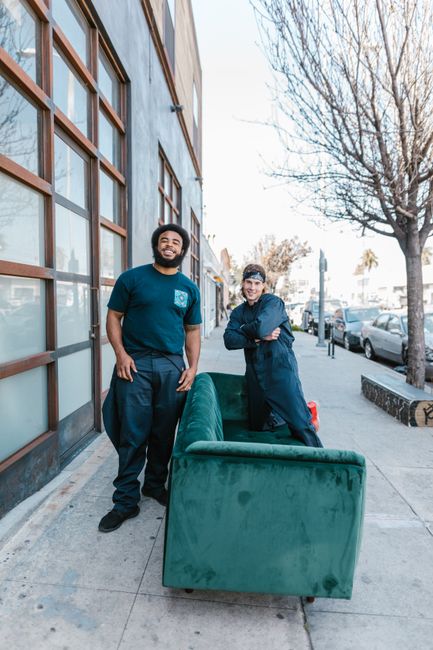
Furniture transport is one of the most common reasons people choose a man with van service. A sofa bought privately, a table collected from storage, or a bed delivered from one address to another may not need a full-scale removals operation. What matters is that items are handled properly, protected during transit and loaded in a way that keeps them stable. Bulky objects can also need simple dismantling and reassembly choices, depending on access and the furniture type.
We also support general furniture pick-ups where the job is mainly about moving a few substantial pieces rather than clearing a whole property. That might include armchairs, sideboards, cabinets, shelving units or boxed household purchases. If the load includes mixed items, think about whether they need wrapping, whether they can be stacked safely and whether any part of the delivery should be kept upright. Our furniture pick-up page covers this kind of transport in more detail.
A sensible quote request should describe the pieces themselves, not just say that furniture needs moving. Include approximate sizes where known, whether the item is assembled, and whether it is coming from a home, storage unit or business premises. You do not need to write a long message, but a little structure can make the response more accurate. For customers arranging multiple items, the work can often be planned more neatly when the larger pieces are identified first.
Office items, business deliveries and small commercial moves
Commercial work is often about keeping disruption modest while still moving desks, chairs, boxed files, display items or compact equipment safely. A man with van arrangement can be a practical choice for smaller office relocations, internal transfers, archive movement or the delivery of business purchases that are too large for a standard car. The focus is on clear loading, tidy timing and getting the items where they need to be without unnecessary complication.
Smaller business moves can involve more than just furniture. You may need transport for printers, monitors, retail fixtures, meeting-room items or stock that has to reach a new site in usable condition. If the move is part of a broader change of premises, it is useful to separate what must travel immediately from what can be delivered later. Where office relocation is the main task, our office relocation services give a fuller picture of the kind of work involved.
For commercial enquiries, a useful quote usually includes the site type, the number of items, any requirement for timed access and whether there are lifts, stairs or loading bays. If packing is still ongoing, say so plainly rather than estimating too loosely. The more accurately the move is described, the easier it is to match the vehicle and make the schedule work in a straightforward way.
Packing, handling and moving fragile items

Some jobs are not difficult because of distance or volume, but because the items need careful handling. Glass, framed prints, small electronics, ornaments and mixed household belongings can all travel well if they are packed in a sensible way. A man with van service is often used when the customer wants to move these items with more attention than a standard courier would provide, but without the scale of a full removals package. The method should suit the goods, not the other way round.
We can also support packing and unpacking where the move would benefit from more organised preparation. That might mean gathering materials, wrapping selected items, labelling boxes and unpacking at the destination in a controlled order. Not every job needs full packing help, but a mixed move often becomes easier when the breakables are treated separately from the sturdier boxes. Find out about packing and unpacking services if you want to understand the support available alongside transport.
When you ask for a quotation, mention whether any items are fragile, awkwardly shaped or valuable to you. This does not need to be dramatic; it simply helps the job be planned with the right level of care. If there are only a few delicate pieces, say which ones they are and whether they will already be boxed. A clear inventory is usually more helpful than a long explanation.
Vehicle choice, access and load planning

The right vehicle choice depends on the size of the load, the number of stops and how much room the items need once they are stacked. Some customers only need a compact moving arrangement, while others benefit from a larger van that can accommodate furniture, boxes and a few more awkward shapes in one trip. The aim is to choose a setup that suits the load rather than forcing the move into an unsuitable vehicle type. That helps the work run more smoothly and keeps handling to a minimum.
Access details are just as important as item count. Narrow hallways, shared stairwells, restricted parking, loading restrictions and long carrying distances can all affect how the job is approached. It is helpful to mention any building rules, gate codes or time limits that apply at either end. If access is straightforward, say so; if it is not, say where the difficulty lies. For enquiries involving multiple pickups or longer carriage, the commercial moves page is useful for understanding how more complex loads are arranged.
Two brief notes are usually enough when you request a quotation: what is being moved and where it is going. A third note about access often makes the estimate more accurate, particularly if parking is limited or loading needs to be shared between addresses. Keep the description practical and specific, and it becomes easier to plan the work without guesswork. If you are ready to move on, make an enquiry today.
What can be moved with a man and van
A man with van service can cover a wide range of loads, but it works best when the items are suitable for manual loading and safe vehicle transport. Common examples include domestic furniture, boxed belongings, small appliances, office items, storage transfers and marketplace purchases. Some loads are best split into two trips or grouped by type, especially when fragile goods need extra space. The key point is that the move should be judged on what is actually being carried, not on a generic label.
There are also items that may need specialist handling or separate arrangements. Heavy waste, restricted materials, and certain regulated goods should not be assumed to fit a standard moving job. If you are unsure whether something can be moved with the rest of the load, describe it clearly rather than leaving it out of the quotation request. See our fridge and appliance removal information if large appliances are part of what you need to move.
For mixed loads, it often helps to group the items into three simple categories: furniture, boxes and anything unusual. That makes it easier to see what needs padding, dismantling or extra room in the van. If you are working to a deadline, mention the preferred time window and whether the move must be completed in one visit. Straightforward details usually lead to a clearer response.
About Paddington
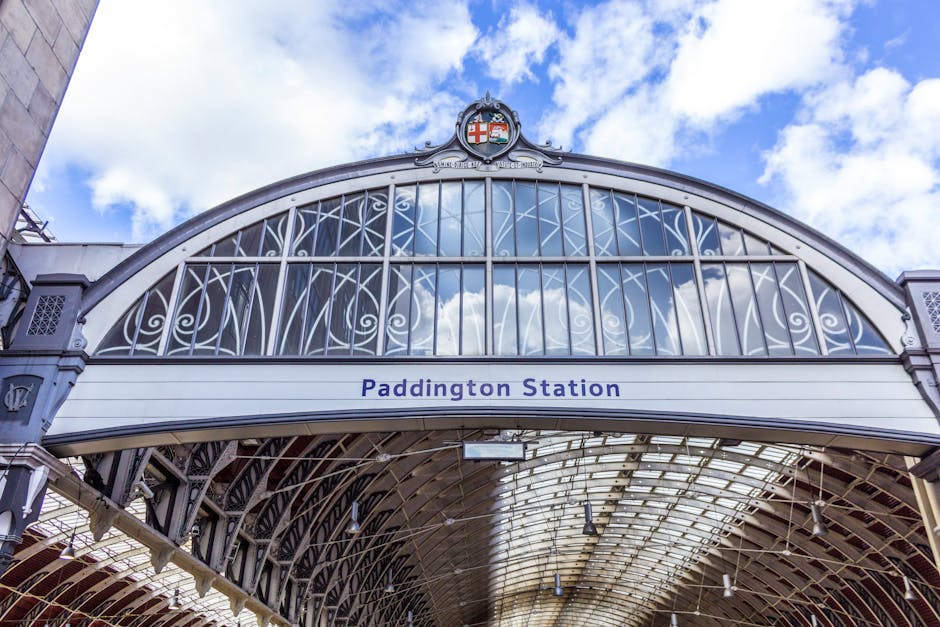
Paddington is a district in the City of Westminster in central London, known for its transport connections, historic streets and varied urban character. It grew from a village and later became part of the expanding city, with much of its present form influenced by 19th-century development linked to the railway era. Paddington railway station, opened in the mid-1800s and designed by Isambard Kingdom Brunel, remains one of the area’s defining landmarks, with its broad train shed and strong association with travel. The district is also connected with Paddington Basin, a regenerated waterside area where canals, offices and housing meet near the Grand Union Canal. The canal network is a long-standing part of the local landscape, with towpaths and bridges giving the area a distinct mix of movement and quiet water-side space. Nearby streets include Georgian and Victorian terraces, mansion blocks and later commercial buildings, reflecting the area’s layered history. Hyde Park lies to the south-east, while smaller squares and garden spaces break up the dense urban fabric. Paddington’s cultural associations are wide-ranging, from its role as a transport hub to its links with literature and film, especially the enduring character named after the station. Together, these elements make it a part of London where old and new uses sit side by side, and where the street pattern still hints at the district’s growth over time.
Pricing factors and quotation details
Quotation work is usually based on a combination of distance, load size, access conditions and the amount of time likely to be needed. A short local move with a few pieces may be simpler to price than a multi-stop job with stairs, parking limits or unusually heavy items. The number of people required to load and unload can also affect the overall arrangement. Rather than guessing, it is better to describe the move plainly so the quotation reflects the work involved.
One useful way to prepare is to write down the main items, any fragile pieces, and whether the move includes collection, delivery or both. If you already know the date window, include that too, but avoid adding unnecessary detail that does not change the job. When business customers need a fuller moving schedule, book online if that is the simplest way to start the process. For broader information on our approach to service quality and handling, read about insurance and safety.
After that, keep the request focused on the essentials. A quotation is usually easier to shape when the important facts are visible at a glance, especially for moves that include stairs, narrow access or several bulky items. If you are comparing options, remember that the best fit is the one that suits the load and the route. Make your enquiry today for a clear response.
Useful moving support and related services
Some customers need more than transport alone. A move may be easier if unwanted items are separated first, or if a single collection is combined with the removal of older furniture or appliances. That kind of practical support can simplify the process, especially when space is limited at either property. We can also help when the job is partly about moving items out and partly about taking selected goods elsewhere, provided the load is described clearly and remains suitable for the vehicle.
When furniture or household goods are leaving a property, it can be helpful to distinguish between what is being moved, what is being stored and what should not travel at all. If appliance removal is involved, or if an old mattress or sofa needs to be taken away as part of the same visit, use the most appropriate page so the enquiry is directed correctly. Our mattress and sofa disposal page and recycling and sustainability information may both be useful depending on the nature of the job.
For a direct conversation about your move, the clearest next step is to send the basics and ask for a quotation. Include the start and end points, the main items and any access issues that could affect lifting or loading. If you are ready to arrange transport, get in touch now for a quote.