Paddington Basin Flats: Stairs, Lifts and Safe Removals
Moving out of a Paddington Basin flat can feel straightforward on a floor plan and then suddenly less straightforward in real life. A lift might be shared, a stairwell may be narrow, parking can be awkward, and the route from your front door to the van might involve more turns than you expected. That is exactly why Paddington Basin flats: stairs, lifts and safe removals deserves a proper plan, not a rushed one.
This guide breaks down how apartment removals work in Paddington Basin, what makes stairs and lifts such a big part of the job, and how to keep your move safe, calm and efficient. Whether you are shifting a one-bed apartment, moving a sofa down a tight communal staircase, or trying to protect the lift lobby from scuffs and complaints, the details matter. A little preparation goes a long way. Truth be told, it usually saves time, money and a fair amount of stress too.
If you are still weighing up removals support, it can help to compare service options and check the pricing and quotes early. And if your move includes bulky items, you may also want to look at mattress and sofa disposal or fridge and appliance removal before moving day sneaks up on you.
Table of Contents
- Why Paddington Basin Flats: Stairs, Lifts and Safe Removals Matters
- How Paddington Basin Flats: Stairs, Lifts and Safe Removals Works
- Key Benefits and Practical Advantages
- Who This Is For and When It Makes Sense
- Step-by-Step Guidance
- Expert Tips for Better Results
- Common Mistakes to Avoid
- Tools, Resources and Recommendations
- Law, Compliance, Standards, or Best Practice
- Options, Methods, or Comparison Table
- Case Study or Real-World Example
- Practical Checklist
- Conclusion
- Frequently Asked Questions
Why Paddington Basin flats: stairs, lifts and safe removals Matters
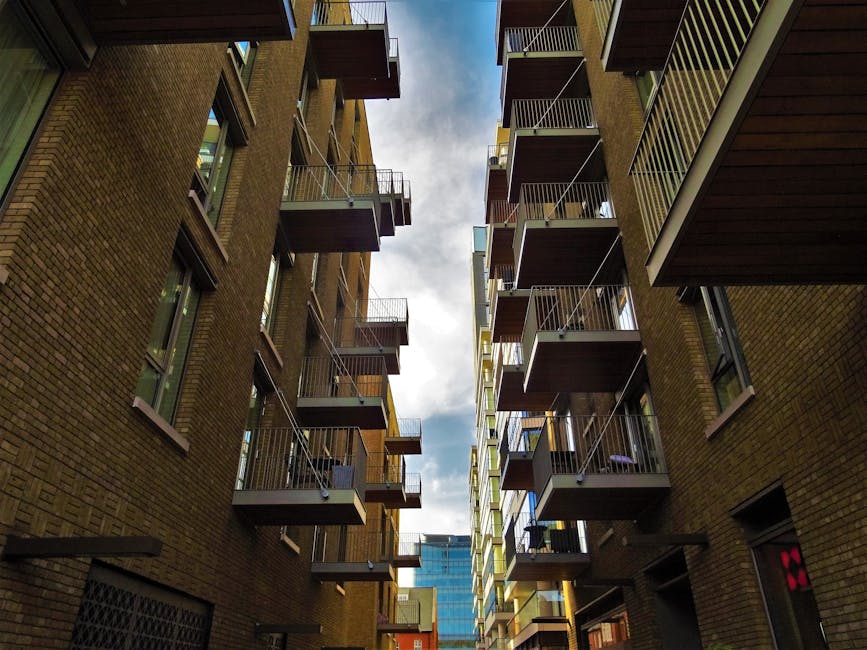
Paddington Basin is a modern, busy part of west London, and many flats here are designed with shared access, secure entry systems and compact communal areas. That is great for day-to-day living. It can be a different story on moving day. Stairs can be tight. Lifts can be shared with neighbours. Loading bays may be limited. And if you are on a higher floor, every extra box starts to feel heavier by the minute.
This matters because apartment removals are not just about lifting things. They are about moving items safely through a building without damaging walls, floors, doors, lifts or your own back. In a place like Paddington Basin, the best removals approach is one that respects the building and the people living in it. Nobody wants a scratched lift panel or a sofa wedged halfway around a staircase. Nobody.
There is also a trust angle here. Many residents are in leasehold buildings with management rules, access windows and expectations around noise, waste and lift use. If a move is handled carelessly, it can cause delays or complaints. If it is handled well, it feels almost boring in the best possible way: smooth, quiet and done before lunch, with the kettle already on.
For jobs that involve disposal as well as moving, it is worth understanding what can be taken, recycled or separated in advance. The site's recycling and sustainability guidance and what can go in a skip page are useful starting points if you are trying to reduce clutter before the van arrives.
Expert summary: In Paddington Basin, the safest removals are the ones that respect the building first and the schedule second. Plan the route, protect the surfaces, confirm lift use, and decide what should be moved, reused, recycled or disposed of before the team shows up.
How Paddington Basin flats: stairs, lifts and safe removals Works
Good apartment removals usually follow a simple pattern, even if the building itself is anything but simple. First, the access route is checked. Then the larger items are measured against lifts, stairwells and door frames. After that, everything is prepared so the move can happen in a controlled way, not a frantic one.
In practical terms, a safe flat removal in Paddington Basin normally includes:
- reviewing building access and any move-in or move-out rules
- confirming whether the lift can be reserved or protected for use
- checking stair widths, corners, landings and ceiling height
- planning the order in which items come out
- protecting furniture, walls and communal areas with padding or covers
- keeping clear communication between the people carrying items
- loading the van in a way that avoids damage in transit
The lift is often the fastest route, but not always the easiest. Some lifts are too small for wardrobes, mattresses or large sofas. Others have weight limits or restrictions on how many people can use them at once. Stairs, meanwhile, can be the safer option for smaller items, but only if the carry is controlled and the route is clear. A rushed descent on a spiral stairwell is a recipe for scraped knuckles and a very awkward apology to the concierge.
Safe removals are also about sequence. The bulky, awkward or fragile things should usually be handled first, before the corridor gets cluttered with bags and smaller boxes. That simple habit saves endless faffing about later. It also reduces the chance of someone tripping over a kettle box while carrying a lamp.
If your move includes specialist waste or confidential items, it is worth separating those early. For example, office papers and sensitive documents can be managed through confidential shredding, while batteries, chemicals or other risky materials may require hazardous waste disposal. Keeping those streams apart makes the whole process safer and cleaner.
Key Benefits and Practical Advantages
When stairs, lifts and safe removals are handled properly, the advantages are obvious. Some are practical. Some are financial. Some are simply about peace of mind.
- Less risk of damage: Proper handling protects furniture, walls, lift interiors and shared hallways.
- Faster move-out: A planned route and clear carry order reduce delays.
- Lower stress: You are not making last-minute decisions at the bottom of a staircase.
- Better neighbour relations: Quiet, efficient moves are less disruptive in busy apartment blocks.
- Safer lifting: Fewer awkward carries means less chance of strain or injury.
- Cleaner handover: A well-managed move helps you leave the flat in better shape for inspection.
There is also a subtle but important benefit: you make better choices about what actually needs to be moved. Once people start planning access properly, they often realise that a few items are better sold, donated, recycled or disposed of instead of being carried up and down stairs for no good reason. That is usually the point where the job gets lighter, literally and mentally.
For many residents, the biggest win is confidence. You know the lift is booked, the route is measured, the bulky items have been thought through and the van is coming at the right time. No surprises. Or at least, fewer surprises.
Who This Is For and When It Makes Sense
This kind of removals planning is useful for a wide range of people, not just those with huge furniture or awkward staircases. In Paddington Basin especially, it makes sense if you are:
- moving out of a flat with shared lift access
- living in a building with narrow or winding stairs
- handling furniture that is too large for easy solo lifting
- trying to minimise disruption to neighbours and building staff
- disposing of items as part of a declutter or end-of-tenancy clear-out
- moving appliances, mattresses or sofas that need careful handling
- working to a tight booking window with concierge or building management
It also makes sense if you are moving in stages. Quite a few people in Paddington Basin do not move everything on one day. They clear storage first, then furniture, then smaller boxes. That can be a sensible approach, especially if lift access is limited or the building only allows certain hours for removals.
And to be fair, if you are on a higher floor with a narrow staircase, the question is not just can we carry it down? It is should we carry it down that way? Those are different questions, and a good removals plan answers both.
For more support with the practical side of booking, the online booking page can help you plan a slot that fits your building access and your schedule.
Step-by-Step Guidance
1. Start with the building rules
Before anything is lifted or wheeled, confirm the building's access rules. Ask whether you need to book the lift, whether there are restricted hours, where the loading point is, and whether concierge or management needs advance notice. A five-minute call can spare an hour of confusion later.
2. Measure the awkward things first
Do not begin with the easy boxes. Measure the sofa, mattress, wardrobe, fridge or desk. Check the lift dimensions if they are available, and think about corners, banisters and low ceilings on stair flights. If a sofa only fits if it is angled just so, say so now, not when it is stuck halfway through a doorway.
3. Sort what is moving, what is staying, and what is going
Separate belongings into three groups: move, store, dispose. This sounds simple, but it is where many removals go wrong. People keep "maybe" items on the floor right until the van arrives, and then everything slows down. If you are discarding appliances, check the relevant service page for items such as fridge and appliance removal so you do not assume every item can be handled in the same way.
4. Protect the route
Use blankets, corner protection or similar materials on furniture and along vulnerable touchpoints where needed. In communal buildings, a little care goes a long way. Lift doors, lobby walls and stair rail edges are all easy to mark. Once that happens, it is rarely worth the headache.
5. Load in the right order
Heavy and awkward items should be loaded in a sequence that keeps the team balanced and the van organised. Put items in a way that supports safe unloading too. If the heaviest box ends up behind three light ones, someone will have to undo the whole thing at the other end. Not ideal.
6. Leave time for the unexpected
Even well-planned removals can be interrupted by lift delays, delivery access issues or a neighbour needing the same route. Build in a bit of breathing room. An extra ten minutes can feel very generous when everyone is carrying something bulky.
Expert Tips for Better Results
A few small habits make a big difference on move day. These are the sorts of things that experienced movers tend to do automatically because they know how quickly a tidy plan can unravel.
- Keep pathways clear: Shoes, umbrellas, recycling bags and loose cables become hazards fast.
- Use a "first out" pile: Put the first items to leave the flat by the door so nobody is wandering around searching.
- Wrap fragile items early: Do not wait until the van is idling outside.
- Label awkward boxes clearly: Especially anything fragile, heavy or needing two-person carry.
- Protect lift buttons and corners where possible: Small details matter in shared buildings.
- Check parking and access before the day: The route from van to entrance can be longer than it looks on paper.
One useful local observation: in busy mixed-use developments like Paddington Basin, the quietest moves are usually the most successful. No shouting down corridors, no last-second reshuffling, no giant box balanced on one knee while someone hunts for a key fob. Just steady progress. Boring, in the best sense.
If you are not sure how the move should be handled, it can help to review a company's trust pages as part of your decision. For example, the health and safety policy and insurance and safety information can tell you a lot about how seriously a provider treats risk, care and accountability.
Common Mistakes to Avoid
A lot of removals problems are predictable. That is the annoying part. They are not dramatic surprises; they are the same mistakes people make over and over because the job looks easier than it is.
- Assuming the lift will fit everything: A lift may be useful without being big enough for bulky furniture.
- Leaving access checks until the day of the move: This usually creates avoidable delays.
- Not measuring stair turns: A long item can be the right width but still impossible to angle safely.
- Mixing disposal with keep items: That is how important things end up in the wrong pile. Happens more than people like to admit.
- Underestimating the time needed for higher floors: Even a short staircase becomes slower when repeated twenty times.
- Forgetting building protection: Damage to communal areas is awkward, expensive and entirely avoidable.
- Trying to do everything alone: Some items really do need two people, maybe three.
Another common issue is not thinking through disposal in advance. Large furniture, broken appliances and waste from decluttering can complicate the move if they are left to the last minute. If you are clearing out items with disposal needs, it is worth checking sofa and mattress disposal or the site's wider skip guidance rather than guessing.
Tools, Resources and Recommendations
You do not need specialist equipment for every flat move, but the right tools make apartment removals smoother and safer. The most useful items are often the simplest ones.
| Tool or resource | Why it helps | Best use |
|---|---|---|
| Furniture blankets | Protects surfaces from scuffs and knocks | Sofas, wardrobes, tables, lift edges |
| Stretch wrap | Keeps drawers and doors secure | Cabinets, small furniture, appliance doors |
| Ratchet straps or load straps | Secures items in the van | Heavy loads, tall furniture, stacked boxes |
| Box labels | Helps prioritise the order of unloading | Fragile, heavy, first out, disposal |
| Protective gloves | Improves grip and reduces minor scrapes | Carrying through stairs or service routes |
| Building access notes | Prevents confusion on the day | Lift booking, entrance codes, parking points |
For service planning, a clear quote process matters too. Look for a provider that explains what is included, how access affects timing, and whether disposal or special handling is extra. The pricing and quotes page is a sensible place to review this kind of information before you book.
And if your move involves payment online, it is reassuring to know how that is managed. A straightforward payment and security page is a small but useful trust signal. It sounds dull, but boring is what you want when money is involved.
Law, Compliance, Standards, or Best Practice
Not every flat move needs legal analysis, but there are still important standards and norms to respect. In London apartment buildings, that often means following building management rules, respecting access times, protecting communal areas and handling waste responsibly. If a development asks for move notices, lift bookings or insurance details, those requests are usually there for a reason.
From a safety perspective, the basic expectation is simple: equipment and carrying methods should be appropriate to the load, and people should not be put at unnecessary risk. In practice, that means avoiding solo lifts of oversized items, using care on stairs, and not overloading lifts beyond sensible use. If a route looks awkward, it probably is awkward. Trust that instinct.
For waste and disposal, UK best practice generally means separating reusable items, recyclable materials and anything that needs special handling. Electrical appliances, mattresses, sofas and hazardous materials may each have different requirements. If you are unsure, ask first rather than assuming everything can go in one pile. That approach is safer, cleaner and usually cheaper in the long run.
It also helps to choose a provider that can show a clear attitude to safety, responsibility and fair dealing. Pages such as accessibility statement, complaints procedure and modern slavery statement do not move your sofa, of course, but they do show that a business takes its wider responsibilities seriously.
Options, Methods, or Comparison Table
There is no single right way to handle removals from a Paddington Basin flat. The right method depends on your items, access, timing and how much help you want on the day.
| Method | Best for | Pros | Watch out for |
|---|---|---|---|
| Lift-based move | Standard apartment moves with suitable lift access | Often fastest, easier on stairs, more efficient for boxes | Weight limits, booking rules, damage risk if not protected |
| Stair carry | Smaller items or buildings without usable lifts | Works where lift access is limited or unavailable | More physical effort, tight corners, higher injury risk |
| Mixed route | Moves with both lift and stair sections | Flexible and often practical in real buildings | Needs careful planning so items are not double-handled |
| Removal plus disposal | Declutters, end-of-tenancy clear-outs, bulky waste | Reduces the number of separate jobs you need to organise | Must separate items properly and handle special waste correctly |
In many cases, a mixed route is the real-world answer. For instance, boxes might go via the lift while a sofa takes the stair route if the lift is too tight. That kind of decision only works when the team has already checked dimensions and access, not when everyone is standing around hoping for the best. Hoping is not a method.
Case Study or Real-World Example
Imagine a two-bedroom flat in Paddington Basin on a mid-level floor. The residents have a sofa, a king-size mattress, a dining table, six medium boxes, and an old fridge they do not want to take with them. The lift is available, but the management team wants advance notice and the hallway cannot be blocked for long.
On paper, that sounds routine. In reality, the sofa does not want to turn cleanly around the hallway corner, the fridge is heavier than it looks, and one box is full of books, which is basically a small boulder in cardboard form.
A sensible approach would be:
- confirm lift booking and access times in advance
- separate the fridge for specialist handling
- wrap the sofa and mattress before move day
- label the heaviest boxes clearly
- clear the route through the flat and corridor
- load the awkward items first
- check the final flat for overlooked items before leaving
That kind of planning turns a stressful morning into a manageable one. Maybe not glamorous, but very effective. And usually, by the time the last box is out, the flat already feels lighter. There is a nice moment when you can hear your own footsteps again.
Practical Checklist
Use this checklist before moving day. It keeps the job grounded and helps you avoid the classic last-minute scramble.
- Confirm building access rules and lift booking requirements
- Measure large furniture and compare it with the route
- Separate items to keep, move, recycle or dispose of
- Arrange disposal for sofas, mattresses, appliances or hazardous items if needed
- Protect surfaces, corners and vulnerable furniture edges
- Prepare labels for fragile, heavy and first-out boxes
- Check parking, loading access and arrival timing
- Keep keys, codes and contact details somewhere easy to reach
- Review safety and insurance information before booking
- Do a final walkthrough of the flat before leaving
If you are sorting a larger clear-out, it may also help to review hazardous waste disposal so anything sensitive or risky is handled separately and responsibly.
Conclusion
Paddington Basin flats are great places to live, but their access arrangements need a bit of respect when it is time to move. Stairs, lifts and shared spaces can either make the job smooth or turn it into a slog. The difference usually comes down to planning: measure first, protect the route, separate disposal early, and make sure the move fits the building rather than forcing the building to fit the move.
That is the heart of Paddington Basin flats: stairs, lifts and safe removals. It is not about doing anything dramatic. It is about doing ordinary things properly, which, let's face it, is often what people remember most after a move. The calmest removals are the ones that feel almost invisible. No drama, no damage, just a clean finish and a relieved sigh.
Get a free quote today and see how much you can save.
If you want to get organised properly, start with a clear quote, confirm the access details, and book a slot that suits both your building and your timeline. A well-planned move has a lovely way of making everything else feel easier.
Frequently Asked Questions
Can a removals team use the lift in my Paddington Basin block?
Usually yes, but it depends on the building's rules. Some blocks require lift booking, protective padding or timed access. Always check with management or concierge before moving day.
What if my sofa does not fit in the lift?
If the sofa cannot fit safely, it may need to go via the stairs or be dismantled if that is practical. Measuring beforehand is the best way to avoid a stuck-sofa situation, which is as awkward as it sounds.
Are stairs or lifts safer for apartment removals?
It depends on the item and the building. Lifts can reduce physical strain, but stairs may be safer for certain oversized items if the lift is too small. The right choice is the one that protects both the item and the people carrying it.
How do I prepare for safe removals in a flat with narrow corridors?
Clear the route, measure large items, protect corners and plan the order of carry-out. Small changes, like moving shoes and loose bags out of the way, make a surprising difference.
Do I need to book lift access for a move in Paddington Basin?
In many apartment buildings, yes. Management may need advance notice or a specific time slot. It is best to confirm this early so you do not arrive with a van and nowhere to go.
What items need special handling during a flat move?
Mattresses, sofas, fridges, electrical items, heavy furniture and anything fragile often need extra care. Hazardous materials or sensitive documents should be separated and handled through the appropriate service.
Can removals include disposal as well as moving?
Yes, many moves include disposal of unwanted items. It is often the easiest time to clear out bulky pieces you no longer need. For example, mattress and sofa disposal can be arranged alongside the move.
How far in advance should I plan a Paddington Basin flat move?
As early as possible, especially if building access needs to be booked. Even a simple flat move benefits from a bit of lead time, because lift slots and parking can be tighter than you expect.
What should I ask a removals company before booking?
Ask about access planning, insurance, what is included in the quote, disposal options and how they handle stairs or lift restrictions. It is also sensible to review their insurance and safety information.
How can I keep the move from damaging communal areas?
Use protective covers where needed, carry items carefully, keep corridors clear and avoid dragging furniture. In shared buildings, a careful team is worth its weight in gold, honestly.
What if I have appliances to remove during the move?
Appliances often need more care than standard boxes, especially if they are heavy or still connected to services. Check the relevant removal page first, and make sure they are disconnected safely before moving them.
Where can I find a trustworthy quote for my flat move?
The best starting point is a clear pricing page that explains what affects cost, such as access, stairs, lift use and disposal. You can review the pricing and quotes details before booking online.