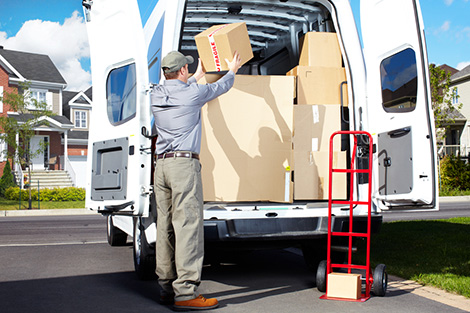
Praed Street removals: parking & loading tips (W2)
Moving on or around Praed Street in W2 can be straightforward enough, but only if you plan for the road conditions, loading access, and the sort of small delays that turn a tidy move into a stressful one. In practice, Praed Street removals: parking & loading tips (W2) is really about one thing: making sure your van, your belongings, and the street layout all work together on the day.
That sounds simple. It rarely is. Praed Street sits in a busy part of central London, close to major transport routes, shops, hotels, and constant foot traffic. If you arrive without a plan, you can end up circling for space, blocking a drop-off point, or losing precious minutes while the team carries boxes farther than expected. This guide covers the practical side of the move: where loading goes wrong, how to reduce risk, what to check before moving day, and the habits that make a London removal feel much calmer.
Whether you are moving a flat, a small office, or just a few bulky items, the aim is the same: keep the load-in efficient, stay within local rules, and avoid last-minute surprises. Let's get into the real-world details.
- Why Praed Street parking and loading matter
- How the loading process usually works
- Key benefits and practical advantages
- Who this is for
- Step-by-step guidance
- Expert tips for better results
- Common mistakes to avoid
- Tools, resources and recommendations
- Law, compliance, standards, or best practice
- Options, methods, or comparison table
- Case study or real-world example
- Practical checklist
- Conclusion
- Frequently asked questions
Why Praed Street removals: parking & loading tips (W2) Matters
Praed Street is not the sort of place where you can assume a van will just "find somewhere". The area is busy, often constrained, and sensitive to short stops that drag on too long. For removals, that matters because a poor parking decision affects everything else: how quickly the team can load, how far they need to carry items, whether lifts and trolleys can be used efficiently, and how much stress lands on you before the day is even properly underway.
There is also a very simple truth here: removals are timed jobs. Even a 10-minute access issue can ripple through the rest of the schedule. If the van has to park farther away than planned, that extra walking time quickly turns into extra labour, more exposure to weather, and a greater chance of items being bumped or left temporarily on the pavement. Not ideal, obviously.
In central London, the best moves are often the ones that look a bit boring from the outside. The van arrives when it should, the loading point is clear, the route from door to vehicle is unobstructed, and everybody knows what is going out first. That calm, methodical approach is what protects both your belongings and your timetable.
It also helps with neighbour relations, which people forget until they are halfway through a mattress manoeuvre in a narrow doorway. A tidy loading plan reduces blocked access, awkward conversations, and the need for repeated repositioning. If you are moving from a managed block, a serviced apartment, or a busy terrace near the station, this becomes even more important.
How Praed Street removals: parking & loading tips (W2) Works
The practical process starts well before the van arrives. In a neighbourhood like Praed Street, parking and loading are not just about "turning up early". They are about matching the move to the street conditions, building access, traffic flow, and the size of the vehicle. A man and van setup may suit a small local move, while a larger job may need a moving truck or a fuller removal arrangement depending on volume and access.
At the simplest level, the sequence looks like this:
- Check the building access and loading point before the move.
- Confirm the vehicle size and whether it can stop close to the property.
- Prepare items so the loading order makes sense.
- Keep the entrance clear for a fast handover between home and vehicle.
- Load the van in a way that protects fragile and high-value items.
- Leave enough margin for traffic, lift delays, or awkward furniture.
That sounds obvious, but the difference between a smooth move and a messy one is often in those small details. For example, if your largest furniture goes out last, it may end up needing to cross over already loaded boxes. That is not a disaster, but it is slower and usually more stressful than it needs to be.
Another practical point: the loading plan should match the layout of the property. A ground-floor flat with direct street access is very different from a top-floor apartment with one narrow lift and a tight hallway. The team needs to know whether they can stage items near the exit, whether the lift can take larger pieces, and whether they need protective coverings for communal areas. A few minutes of planning can save a lot of dragging, resetting, and apologising to passers-by.
For many London moves, the service style matters too. A flexible man with van option can work nicely for short-distance jobs with lighter loads, while home moves and house removalists tend to make more sense for larger, multi-room relocations. The right choice depends less on the name and more on the real access conditions on Praed Street itself.
Key Benefits and Practical Advantages
Good parking and loading planning does more than make the day feel organised. It has practical benefits you can actually feel on the ground.
- Less carrying distance: The closer the vehicle can get, the fewer steps your boxes and furniture need to take.
- Lower damage risk: Shorter carries mean fewer bumps against walls, railings, door frames, and pavement edges.
- Better time control: Efficient loading protects the schedule and gives room for any unexpected hold-ups.
- Less physical strain: A move is tiring enough without adding unnecessary lifting over long distances.
- Cleaner building relations: When the operation is tidy, neighbours and building staff are usually much happier.
- More predictable costs: If the move takes less time and fewer labour hours, the overall bill is often easier to keep in check, depending on the service model.
There is also a quieter benefit: confidence. When you know the access plan is sensible, you stop second-guessing every detail. That matters more than people admit. A move already asks a lot from you emotionally; removing the parking headache helps more than a fancy label ever will.
For households or businesses disposing of old furniture or clearing items before the move, it can be worth combining the day with services such as furniture pick-up or, where needed, responsible disposal options like mattress and sofa disposal. Fewer unnecessary items means less loading pressure and fewer decisions on the pavement. That is a relief, truth be told.
Who This Is For and When It Makes Sense
This guidance is useful for anyone moving in W2, but it is especially relevant if your property is close to the main road, close to station traffic, or tucked into a building with awkward access. If your move involves a tight time window, limited kerb space, or shared entrances, planning becomes much more than a nice extra.
You will likely benefit from this approach if you are:
- moving a studio, flat, or townhouse around Praed Street or nearby streets
- clearing a property with a lift that is small, slow, or shared
- relocating a business or office item-by-item
- moving furniture only, rather than an entire household
- working around school runs, hotel traffic, or daytime congestion
- trying to avoid repeated trips because the vehicle cannot stay nearby for long
This also applies if you are a landlord, letting agent, facilities manager, or anyone coordinating a move on someone else's behalf. In those cases, parking and loading are not just practical issues; they are part of the duty to keep the move controlled and predictable. A small oversight can quickly become a bigger complaint.
Sometimes a move seems "small" until you count stairs, awkward furniture, and parking restrictions. Then it is not small at all. One wardrobe and one sofa can change the whole picture. You know the type of day.
Step-by-Step Guidance
If you want the move to run smoothly, use a methodical approach. It does not need to be fancy. It just needs to be thought through.
1. Assess the access before move day
Walk the route from the property to the road. Look at the entrance, pavement width, door swing, staircases, lift size, and any low-hanging obstacles. If your building has a loading bay or designated stopping area, check how it is used in practice, not just on paper. That little distinction matters.
2. Decide what vehicle size is realistic
Do not assume a bigger vehicle automatically solves the problem. On a busy street, a smaller or more manoeuvrable vehicle can be more effective because it is easier to position and easier to load quickly. For larger clearances, a removal truck hire approach may be appropriate, but only if the stop location and access can genuinely support it.
3. Group items by loading priority
Put the items you need first near the exit. Fragile pieces should be wrapped and separated. Heavy items should be easy to identify. This saves repeated handling and reduces the temptation to reshuffle the whole van later. Nobody likes unloading and thinking, "Ah, we should have put that last box somewhere else."
4. Keep communal areas protected
If you are moving through shared halls, stairwells, or lift lobbies, use covers or protective materials where appropriate. It is not just about politeness. It prevents scuffs, keeps the process cleaner, and reassures building staff that the move is under control.
5. Time the loading window properly
Loading in central London often works best when the day starts early enough to avoid peak friction, but not so early that the building or contractor access becomes a problem. There is no magic hour, frustratingly. What matters is matching the move to the building's rules, street activity, and the schedule you can actually keep.
6. Load the vehicle in a sensible sequence
A practical rule is to load the heaviest, most stable items first, then build around them. Fragile items should sit where they will not be crushed, and loose items should be secured so they do not slide during transit. This is where good packing pays for itself. If you need help with that part, packing and unpacking services can make the handover feel a lot less chaotic.
7. Leave space for the unexpected
Traffic, weather, building delays, and broken lifts all happen. Not always, but often enough that it would be naive to ignore them. Build a little slack into the schedule. A move with no margin is a move one small problem away from panic.
Expert Tips for Better Results
There are a few small habits that make a disproportionate difference on Praed Street. They are not glamorous, just effective.
- Use the shortest possible carry route. If there are two doors, two lifts, or two entrances, choose the one that creates fewer turns and less waiting.
- Keep a "first out" pile ready. This is especially useful for keys, documents, chargers, toiletries, and kettle essentials. The human brain loves to misplace these at the worst moment.
- Label boxes by room and urgency. "Kitchen - open first" beats a vague label like "misc". Every time.
- Separate disposal items early. If it is going, it should not be mixed into the main load. That sounds basic, but people forget when the room gets full.
- Protect corners and door frames. Cardboard, blankets, and wraps are not overkill in a narrow stairwell.
- Coordinate with the building, not just the mover. Concierge teams, neighbours, and managing agents all affect the day more than you might expect.
One useful habit is to stand outside for a minute before the van arrives and simply look at the street. Where can the vehicle reasonably stop? Where will people naturally walk? Which part of the frontage gets congested first? That quick visual check often catches issues that a phone call alone will miss.
If you are moving items that need special care, such as appliances or heavier household pieces, it is worth looking at services like fridge and appliance removal. These items are awkward, heavy, and easy to mishandle if they are loaded as an afterthought. Better to plan them properly than improvise on the pavement.
Common Mistakes to Avoid
Most move-day problems are not dramatic. They are ordinary mistakes made under time pressure. Small things, repeated. That is usually how it goes.
- Assuming parking will be easy. In central London, "I'll sort it on the day" is a risky strategy.
- Not checking the building rules. Some properties have strict access windows, lift bookings, or loading instructions.
- Underestimating carry distance. A long walk from the van makes the whole job slower and harder.
- Mixing fragile and heavy items. One careless stack can ruin a box in seconds.
- Forgetting disposal planning. Old furniture left until the last minute clutters the move.
- Not telling the removal team about obstacles. Narrow stairs, awkward turns, and low ceilings matter a lot.
- Trying to do too much at once. If every room is opened at the same time, the process can become strangely messy very quickly.
Another common issue is failing to separate the "moving" job from the "clearing out" job. They are related, yes, but not identical. If you still have unwanted items, it may be worth arranging a office relocation services plan for business contents or a broader home clear-out strategy rather than treating everything as standard carry-and-load work.
And honestly, one of the most avoidable mistakes is simply not allowing yourself enough time. People pack until midnight, sleep badly, then wonder why the day feels frantic. It is almost never the van's fault.
Tools, Resources and Recommendations
You do not need a toolbox full of specialist gear for every move, but a few items and service choices make life easier.
| Item or service | Why it helps | Best used when |
|---|---|---|
| Furniture covers and blankets | Protects corners, polished surfaces, and door frames | Loading through tight internal routes |
| Labels and marker pens | Makes room-by-room loading much faster | Packing is spread over more than one day |
| Moving straps and trolley equipment | Helps manage heavy or awkward items safely | Large furniture, appliances, or repeated trips |
| Packing support | Reduces last-minute stress and breakages | Busy households or time-limited moves |
| Responsible disposal options | Keeps unwanted items out of the main move | When decluttering before moving day |
For some moves, it is also sensible to think about the after-move clean-up. If you are stripping out an old bed, sofa, or broken item, a planned disposal route avoids clutter building up in hallways. Services such as hazardous waste disposal are only relevant for the right materials, but the wider lesson is the same: match the item to the correct handling method. No shortcuts.
Commercial clients may also want to look at commercial moves if the job involves office equipment, desks, archives, or a mixed business load. Commercial moves bring their own access and parking questions, especially if the building has shared loading arrangements or limited stopping space. That is where the planning earns its keep.
If you are comparing provider reliability, it is sensible to check practical policies too, not just headlines. Pages such as insurance and safety and health and safety policy help show how a provider thinks about risk. Those details matter more than glossy wording, especially in a constrained central London setting.
Law, Compliance, Standards, or Best Practice
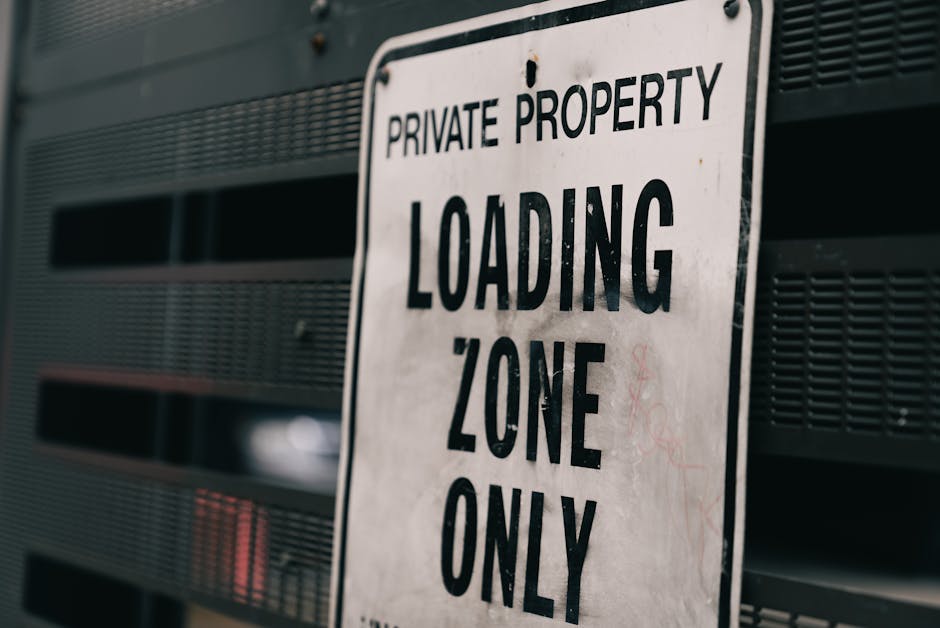
Parking and loading in W2 should always be approached carefully and lawfully. The exact rules depend on the street, local restrictions, signage, and the type of vehicle stopping there. Because those rules can change and are site-specific, it is wise to check the relevant local arrangements before the move rather than assuming standard loading will automatically be allowed.
As a general best-practice matter, movers should avoid blocking traffic, footways, or building access routes longer than necessary. If a stop requires special permission, a loading bay, or another controlled arrangement, it should be planned properly in advance. That reduces the chance of disruption and keeps the move professional.
From a safety perspective, the team should also be aware of manual handling risks. Heavy lifting, awkward posture, rushed carrying, and narrow staircases all increase the chance of injury or damage. Good practice usually means using proper lifting technique, sharing weight where possible, and pausing to reassess if an item is too awkward to move as first planned.
For the customer, the key is to give accurate information. If the property has no lift, a narrow stairwell, or difficult frontage access, say so early. It is not a sign of trouble; it is just honest planning. The best moves are built on accurate details, not optimism. And optimism, while lovely, does not move a wardrobe.
Where money, access, and scheduling intersect, it is also sensible to review the provider's pricing and quotes approach before booking. Transparent quoting helps you understand whether the job is likely to be priced by time, vehicle size, labour, or specific access conditions. That clarity matters when parking may affect timing.
Options, Methods, or Comparison Table
There is no single "best" loading method for every Praed Street move. The right option depends on property size, item volume, and access. Here is a simple comparison that may help.
| Method | Best for | Pros | Trade-offs |
|---|---|---|---|
| Small van / man and van | Light to moderate loads, flexible local jobs | Easier to position on busy streets, often quicker to park | May require more careful load planning if the volume is underestimated |
| Full removal truck | Larger household or office moves | Handles more items in fewer trips | Needs more space and a more confident access plan |
| Pack-first, load-later approach | Complex moves or busy households | Reduces chaos on the day and speeds up handover | Requires more preparation beforehand |
| Staged disposal plus move | Decluttering before relocation | Keeps the main move cleaner and lighter | Needs separate planning so items do not get mixed up |
In real terms, the best method is the one that matches the street, not the one that sounds impressive in a quote. A smaller vehicle parked well can outperform a bigger one stuck awkwardly half a road away. That is just reality.
Case Study or Real-World Example
Here is a typical example, based on the sort of move people often attempt around Praed Street.
A one-bedroom flat needed to be cleared into a van on a weekday morning. The client had a sofa, a bed frame, several boxes, a mirror, and a few kitchen items. At first, they assumed the van could stop almost outside the entrance for as long as needed. In practice, the road was busier than expected, there was limited room to linger, and the lift in the building was smaller than it looked in photos. That combination could have made the whole morning drag.
The move went smoothly only after the load was reorganised. The heaviest items were brought out in a clear sequence, fragile items were kept separate, and the crew made use of the shortest practical route from the flat to the vehicle. A couple of items were wrapped on the spot because the hallway turn was tighter than expected. Nothing dramatic. Just sensible adjustments.
The lesson was simple: good parking and loading are not glamorous, but they are decisive. The move did not become easier because somebody hoped hard enough. It became easier because the access constraints were treated as real.
That is usually the difference in central London. Not luck. Preparation.
Practical Checklist
Use this checklist the day before and again on the morning of the move.
- Confirm the property address, entrance point, and any alternative access route.
- Check whether the van can stop close enough for efficient loading.
- Review any building rules, lift bookings, or loading restrictions.
- Separate items to move, items to dispose of, and items to leave behind.
- Label boxes by room and mark fragile items clearly.
- Wrap mirrors, screens, and delicate surfaces properly.
- Keep keys, documents, chargers, and valuables in a separate bag.
- Make sure the route from the property to the vehicle is clear.
- Prepare protective coverings for floors, corners, and door frames if needed.
- Allow a little extra time in case parking or lift access takes longer than planned.
Quick takeaway: if you control access, loading order, and timing, you reduce most of the usual moving-day friction before it even starts. Simple, but effective.
If you are still comparing options, it can help to book through a provider that can coordinate the move sensibly from the start. You can book online when the plan is clear, or use the contact us route if you want to talk through a tricky access point first. Either way, it is better to ask early than to improvise beside a busy pavement at 8:30 in the morning.
Conclusion
Praed Street removals: parking & loading tips (W2) is really about making one busy London move behave like a well-run job. When access is thought through, the vehicle fits the street better, the carrying distance drops, the load order improves, and the whole day feels less like a scramble.
That does not mean every problem disappears. Streets are busy, buildings are awkward, and plans need adjusting sometimes. But with the right preparation, the move becomes manageable instead of maddening. And that is a very different feeling when you are standing at the doorway with boxes piling up.
Keep it practical. Keep it clear. And give yourself enough room, literally and mentally, to do it properly.
Get a free quote today and see how much you can save.
Frequently Asked Questions
Can a removals van stop on Praed Street for loading?
It may be possible depending on the exact location, time of day, and current street restrictions, but you should never assume it will be straightforward. The safest approach is to plan the stop in advance and confirm the access conditions before moving day.
What is the best time of day for a move in W2?
That depends on building access, traffic, and any loading restrictions. In general, a time that avoids peak congestion and matches your property's access rules is the best option. Early planning matters more than chasing a perfect hour.
How far should the van be from the front door?
The closer the better, as long as the vehicle can stop legally and safely. Short carry distances reduce damage risk, save time, and make heavy items easier to manage. A few extra metres can make a surprising difference.
Do I need to tell the removal team about lifts and staircases?
Yes, absolutely. Lift size, floor level, stair width, and any awkward turns all affect how the move is planned. If the team knows in advance, they can choose the right equipment and loading approach.
Is a man and van enough for a Praed Street flat move?
Sometimes, yes. It depends on how much you are moving and how easy the access is. For smaller loads, a flexible man and van setup can be very practical. For larger or more complex moves, something more substantial may be better.
What should I do with unwanted furniture before moving day?
Separate it early so it does not interfere with the main load. If the items are bulky or no longer needed, arrange disposal or pick-up ahead of time. That usually keeps the move cleaner and faster.
How do I avoid delays when loading on a busy London street?
Prepare the route, label items clearly, keep the loading zone clear, and make sure the team knows which items come out first. Small efficiencies add up quickly on a street with limited stopping time.
What if the van cannot park right outside?
Then the carry route becomes part of the job and should be planned properly. You may need extra labour, more time, or a different vehicle choice. It is better to account for that early than to discover it on the day.
Are there special rules for commercial moves near Praed Street?
Commercial moves often need more careful coordination because of shared access, building management rules, and time windows. If your move involves office furniture or equipment, it is worth using a service with experience in commercial moves.
Should I pack everything before the van arrives?
Ideally, yes. Fully packed, labelled boxes make loading faster and reduce the chance of items being left behind. If packing is still underway on the morning itself, it can slow everything down a bit, and nobody wants that scramble.
How can I make the loading process safer?
Use proper lifting technique, keep walkways clear, protect fragile items, and avoid rushing awkward furniture through tight spaces. If an item feels too heavy or awkward, pause and reassess rather than forcing it. That small pause can prevent damage or injury.
What is the smartest first step if I am moving from Praed Street soon?
Start by checking your access: where the van can stop, how the team will reach the property, and whether any building rules apply. Once that is clear, the rest of the move becomes much easier to plan. A calm beginning helps more than people think.